
Menopause and Dry Eye: What Every Woman Should Know
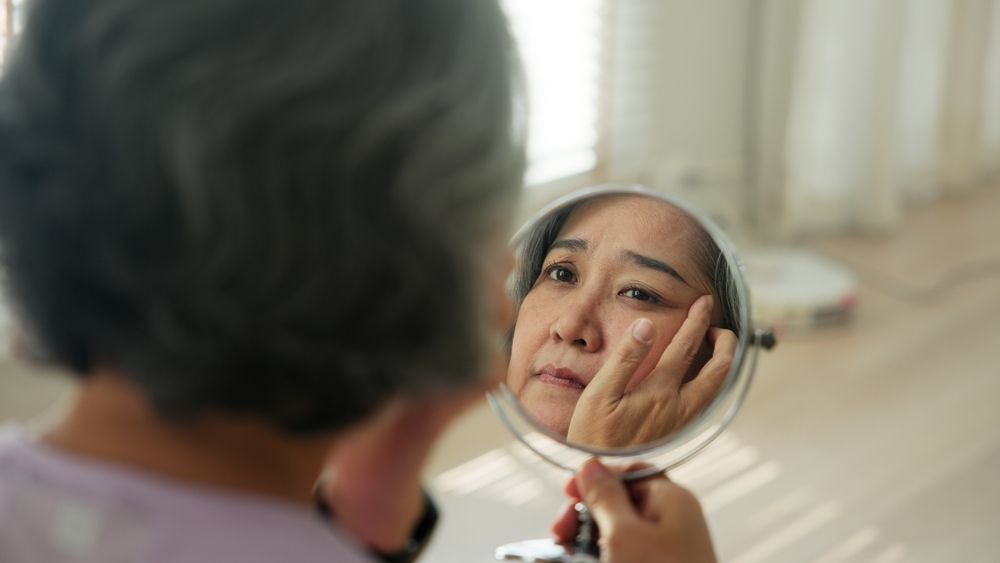
Many women notice changes in their eyes during menopause, including burning, irritation, blurred vision, and a gritty sensation. Hormonal shifts can affect tear production and tear quality, making the eyes feel dry and uncomfortable. As estrogen and androgen levels change, the tear film may become less stable, which can lead to ongoing symptoms that interfere with daily life.
How Hormones Affect the Tear Film
A healthy tear film has three important layers that work together to keep the eyes moist and protected. During menopause, changes in hormone levels can affect the glands that help produce tears and oils. When the eyes do not produce enough tears, or when the oil layer is not working properly, tears evaporate too quickly. This often leads to chronic dry eye rather than occasional irritation.
Common Symptoms Women Should Watch For
Dry eye symptoms during menopause can range from mild to disruptive. Some women notice discomfort only at the end of the day, while others deal with symptoms more often.
Burning or stinging eyes
Redness
Blurry vision that comes and goes
Grittiness or a sandy feeling
Watery eyes
Sensitivity to light
Discomfort while reading, using screens, or wearing contact lenses
Everyday Habits That Can Make It Worse
Menopause is not the only factor that contributes to dry eye. Screen use, dry indoor air, contact lens wear, certain medications, and not blinking enough can all make symptoms worse. Spending hours on a computer or phone often reduces blink rate, which increases tear evaporation. Air conditioning, fans, and seasonal allergens can also add to the problem.
Why a Proper Diagnosis Is Essential
Not all dry eye is the same. Some women have aqueous-deficient dry eye, while others have evaporative dry eye caused by meibomian gland dysfunction. A proper evaluation with our dry eye specialist can help identify the underlying cause and guide treatment. Instead of relying only on artificial tears, Dr. Steven Nelson can look at tear quality, inflammation, and gland function to create a more effective plan.
Treatment Options for Menopausal Dry Eye
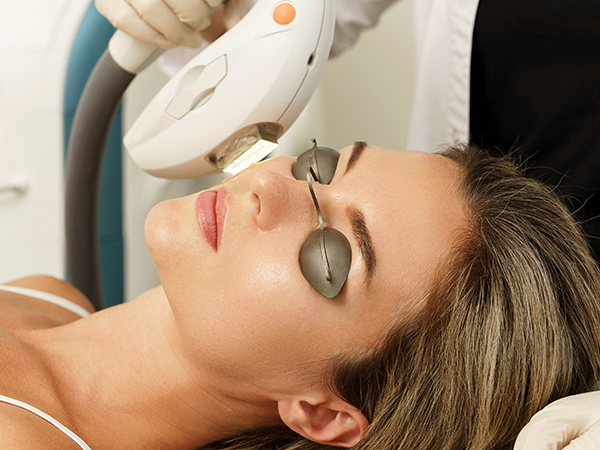
Treatment depends on the source and severity of symptoms. Some patients benefit from prescription drops, nutritional support, lid hygiene, or changes to their environment. Others may need in-office treatments designed to improve gland function and reduce inflammation, such as IPL, RF, LLLT, MiBo ThermoFlo, TearCare, Lipiflow, NuLIDS, or Amniotic membrane therapy. These advanced therapies can help address meibomian gland dysfunction, improve tear film stability, and reduce symptoms over time. The goal is not just temporary relief - it is helping the eyes stay comfortable and healthy over time.
Schedule Your Dry Eye Evaluation with Hill Country Dry Eye Today
If your eyes often feel irritated, tired, or blurry, it may be time to schedule an evaluation. Dry eye linked to menopause can become a long-term issue if left untreated. Early care can help reduce discomfort, protect the surface of the eye, and improve quality of life.
Schedule a dry eye evaluation with Hill Country Dry Eye and Specialty Care to get answers and personalized treatment. Visit our office in Fredericksburg, TX, or call (830) 465-2322 to book an appointment today.
Quick Links
All Dry Eye Services
We work hard not to just treat eye issues, but to treat YOUR eye issues! Give us a call today to set up your appointment.

Keep In Touch
For non-urgent questions or to learn more about our services, contact us today!
© 2026 Hill Country Dry Eye and Specialty Care. All rights Reserved - Accessibility Statement - Privacy Policy - Sitemap
Managed and Designed by 