The Connection Between Rosacea, Skin Inflammation, and Dry Eye
The Connection Between Rosacea, Skin Inflammation, and Dry Eye
Do your eyes feel dry, gritty, or like something is stuck in them? You reach for eye drops, but the relief never lasts. Do you also have redness or flushing on your face? Maybe across your cheeks and nose?
If that sounds familiar, these two problems may be connected. That facial redness could be rosacea. And rosacea can quietly affect your eyes, too.
What Is Rosacea, Really?
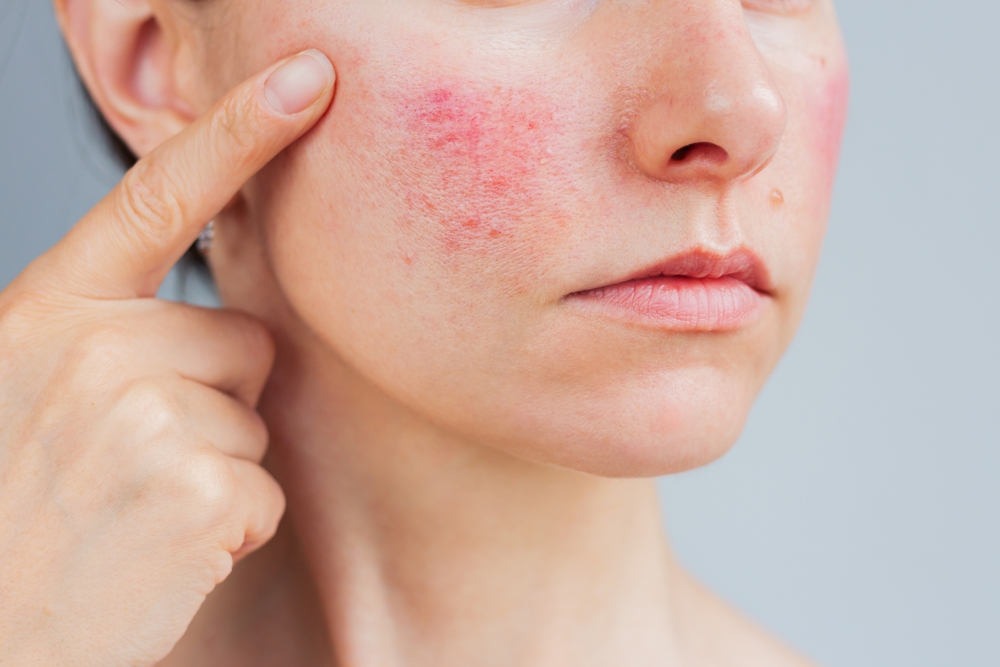
Rosacea is a long-term skin condition. It causes redness, visible blood vessels, and sometimes small bumps on the face. It comes and goes. Certain things trigger flare-ups. Hot drinks, spicy food, sun, stress, or even a windy day can set it off.
But rosacea is more than a skin issue. At its core, it is an inflammatory condition. That means the body’s immune system stays in a heightened state. And that inflammation does not always stay put.
How Does Skin Inflammation Reach Your Eyes?
Your eyes sit very close to your facial skin. When rosacea triggers inflammation on your cheeks and nose, those inflammatory signals can spread to nearby tissues. Your eyelids and the surface of your eyes get caught in the crossfire.
This is called ocular rosacea. And it is surprisingly common. Studies show that anywhere from 20% to over 60% of people with rosacea also have eye symptoms. Some people even get eye symptoms before any skin signs appear.
What Happens Inside Your Eyelids?
Along the edges of your eyelids are tiny oil glands called meibomian glands. Each time you blink, these glands release a small amount of oil. This oil floats on top of your tears, preventing them from drying out too quickly.
When rosacea-induced inflammation reaches these glands, they get clogged. They stop releasing enough oil. Without that protective oil layer, your tears evaporate much faster than they should. This leads to a type of dry eye known as evaporative dry eye. It is the most common form.
Signs You Should Not Ignore
Ocular rosacea can show up in different ways. Your eyes might burn or sting. They might feel gritty, as if sand is in them. You could become more sensitive to light. Some people get blurry vision that comes and goes. Your eyelids may look red and swollen, or you might get styes more often.
Do any of these sound familiar? If you have facial rosacea and notice these eye symptoms, they are likely connected.
What Can You Do About It?
Start by treating both the skin and the eyes together. One without the other only fixes half the problem.
For mild symptoms, a warm compress on your eyelids can help unclog those oil glands. Clean your eyelids gently, using a mild, tear-free cleanser. Preservative-free artificial tears can add moisture during the day.
If your symptoms just will not go away, it is time to see an eye doctor. There are prescription treatments that can really help. Cyclosporine eye drops, for instance, calm inflammation right on the surface of your eyes. Doctors sometimes prescribe low-dose doxycycline pills. They do not just fight bacteria. They also help dial down inflammation in your body.
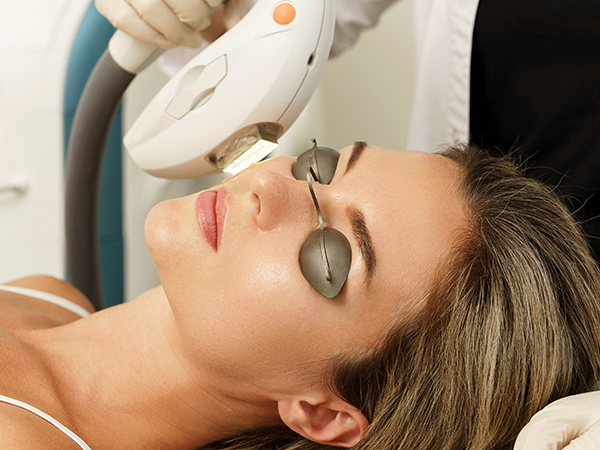
Intense pulsed light therapy (IPL) has also shown good results. This treatment targets the inflamed blood vessels and clogged glands around the eyes.
For more on the connection between Rosacea, skin inflammation, and dry eye, visit Hill Country Dry Eye and Specialty Care. Our office is in Fredericksburg, Texas. Call (830) 465-2322 to book an appointment today.
https://pmc.ncbi.nlm.nih.gov/articles/PMC11872267/
https://lumenis.com.au/vision/resource-hub/the-connection-between-rosacea-and-dry-eye-disease/
Quick Links
All Dry Eye Services
We work hard not to just treat eye issues, but to treat YOUR eye issues! Give us a call today to set up your appointment.

Keep In Touch
For non-urgent questions or to learn more about our services, contact us today!
© 2026 Hill Country Dry Eye and Specialty Care. All rights Reserved - Accessibility Statement - Privacy Policy - Sitemap
Managed and Designed by 