
Why Drops Don’t Fix MGD: How Radiofrequency (RF) & MiBo ThermoFlo Unclog Eyelid Glands
If artificial tears only give you temporary relief from burning, gritty, or fluctuating vision, the problem may not simply be a lack of moisture. Meibomian gland dysfunction, or MGD, occurs when the oil-producing glands along the eyelids become blocked or stop releasing healthy oils effectively. At Hill Country Dry Eye and Specialty Care in Fredericksburg, TX, we use advanced dry eye diagnostics and treatments such as radiofrequency and MiBo ThermoFlo to address gland dysfunction rather than relying only on lubricating drops.
Why Artificial Tears May Not Be Enough for MGD
Your tear film needs an oily outer layer to slow evaporation. The meibomian glands produce this oil, called meibum. When the glands become obstructed or inflamed, the oil can become thick and difficult to release, allowing tears to evaporate too quickly.
Artificial tears can add temporary lubrication, but they do not mechanically clear blocked glands. That is why someone with MGD may use drops repeatedly and still experience recurring symptoms.
Signs that gland dysfunction may be contributing include:
Burning, stinging, or gritty eyes
Fluctuating or blurry vision
Excessive watering despite feeling dry
Red or irritated eyelid margins
Symptoms that worsen with screens or environmental exposure
Temporary relief from artificial tears followed by recurring discomfort
A dry eye evaluation is important because not every case of dry eye is caused by MGD.
How MiBo ThermoFlo Targets Blocked Glands
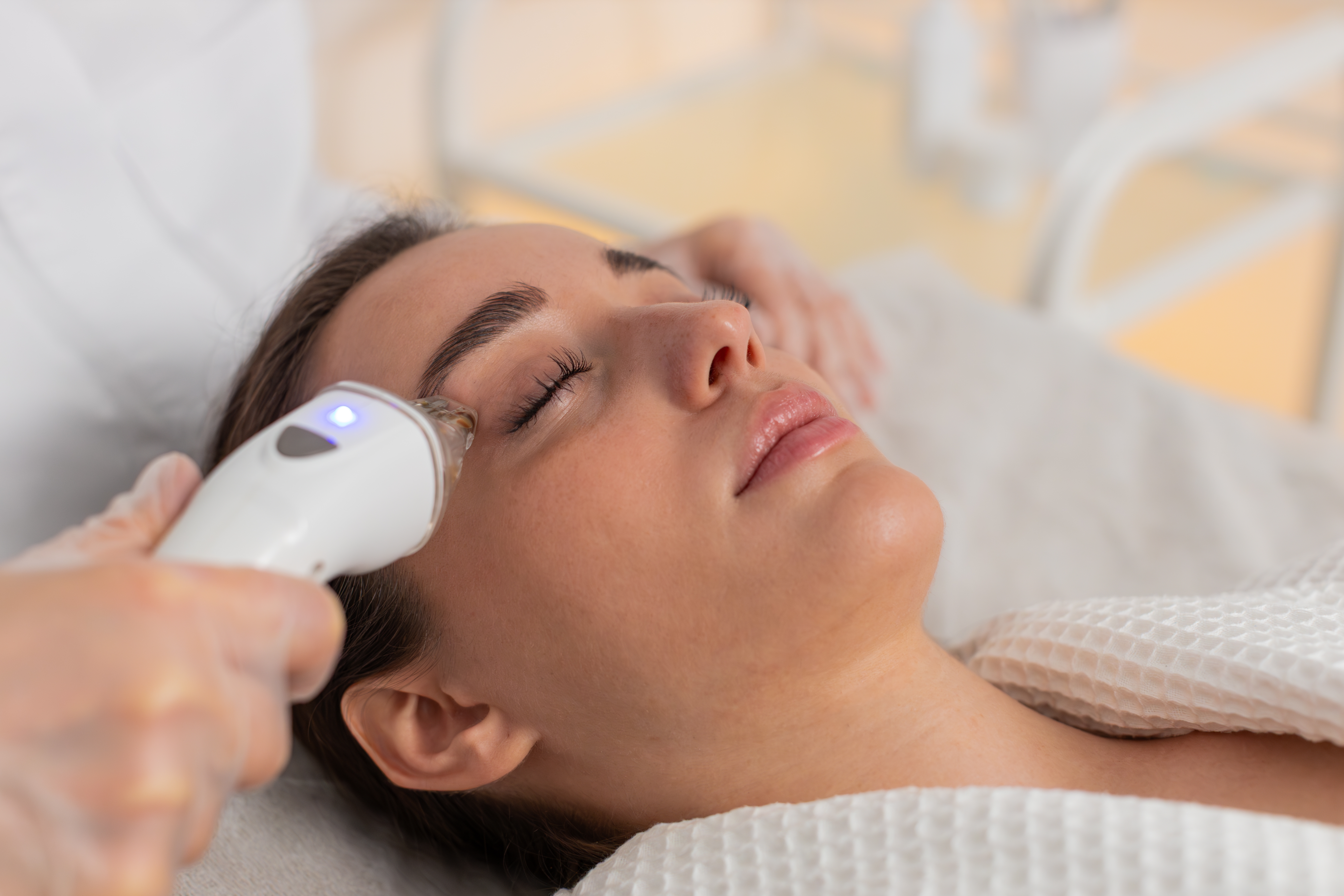
MiBo ThermoFlo uses controlled external heat over the eyelids to warm thickened meibomian gland oils. Treatment is paired with eyelid manipulation or expression to encourage the softened material to move out of the glands.
Hill Country Dry Eye and Specialty Care includes MiBo ThermoFlo in its comprehensive dry eye program specifically because it targets the mechanical obstruction within the meibomian glands.
Clinical research has also found improvements in dry eye symptoms and meibomian gland secretion after MiBoFlo treatment. A randomized trial reported sustained improvements in symptoms and gland function for at least two months, while another study found improvements that remained measurable at six months.
Results vary, and MiBo ThermoFlo does not permanently cure MGD. Ongoing eyelid care or additional treatment may still be necessary.
Where Radiofrequency Fits Into MGD Treatment
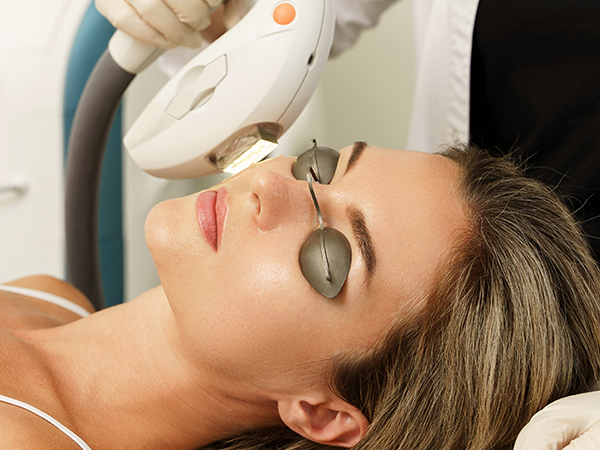
Radiofrequency, or RF, uses controlled energy to warm tissue around the eyelids. This heat may help soften thickened meibum so the glands can release oil more effectively.
Research on RF for MGD is still developing, but studies have reported improvements in dry eye symptoms and meibomian gland function, particularly when RF is combined with other therapies such as IPL and gland expression.
Hill Country Dry Eye and Specialty Care lists radiofrequency among its specialty treatment options in Fredericksburg. The appropriate treatment plan depends on what diagnostic testing shows about your glands, tear film, inflammation, and ocular surface.
Why Combination Treatment May Work Better
MGD rarely involves only one problem. Blocked glands, inflammation, poor oil quality, and tear film instability may occur together.
Hill Country Dry Eye and Specialty Care uses a structured approach that may combine treatments such as MiBo ThermoFlo, IPL, low-level light therapy, RF, LipiFlow, or TearCare depending on individual findings. The practice emphasizes evaluating gland health and tear stability before recommending treatment.
This is also why simply adding more eye drops may not provide lasting improvement when the underlying problem is gland obstruction.
Treat the Source of Chronic Dry Eye in Fredericksburg
If your eyes remain dry, gritty, watery, or blurry despite frequent artificial tears, it may be time to have your meibomian glands evaluated. Heat-based treatments can help appropriate patients address poor oil flow and support a more stable tear film, but the right approach begins with identifying the cause.
Schedule a comprehensive dry eye evaluation with Hill Country Dry Eye and Specialty Care at 1328 S Hwy 16, Suite 200, Fredericksburg, TX 78624, or call 830-465-2322 to find out whether radiofrequency, MiBo ThermoFlo, or another advanced dry eye treatment is right for you.
Quick Links
All Dry Eye Services
We work hard not to just treat eye issues, but to treat YOUR eye issues! Give us a call today to set up your appointment.

Keep In Touch
For non-urgent questions or to learn more about our services, contact us today!

© 2026 Hill Country Dry Eye and Specialty Care. All rights Reserved - Accessibility Statement - Privacy Policy - Sitemap
Managed and Designed by 